
Church & Museum of Orsanmichele in Florence – Book Tickets Online & Experience History
This website offers official tickets for this venue. Please note, however, that it is not the official website of the venue.

Smartphone tickets

Why wait?

Instant confirmation

Flexible cancellation
Church and Museum of Orsanmichele: Admission ticket
Highlights
Visit a unique site combining religious and civic history in Florence.
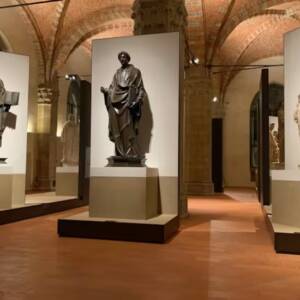
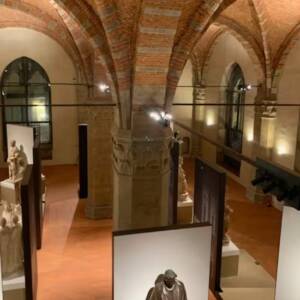
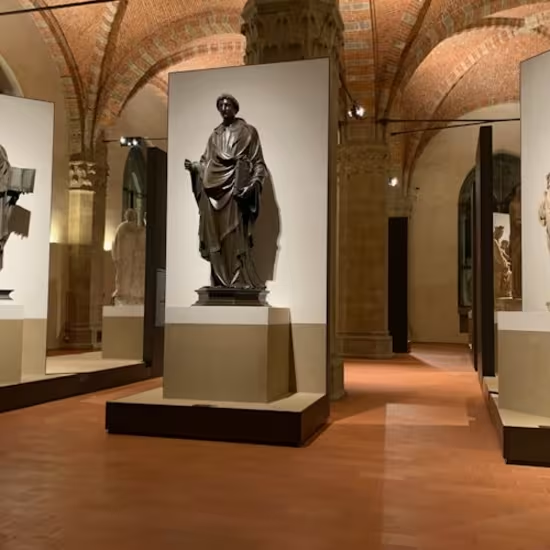
Admire original Renaissance artworks by prominent Florentine sculptors.
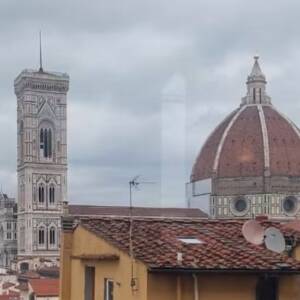
Enjoy stunning panoramic scenes of Florence from the museum’s upper floors.
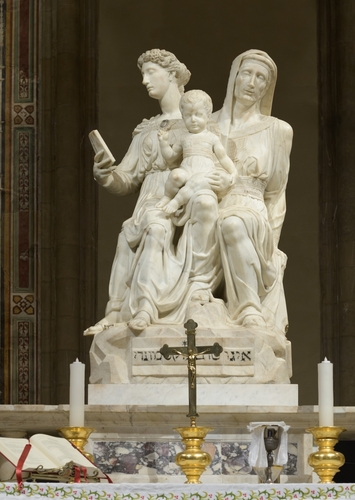
Discover the marble tabernacle of the Madonna delle Grazie in the church.
Experience an active place of worship with ongoing religious services.
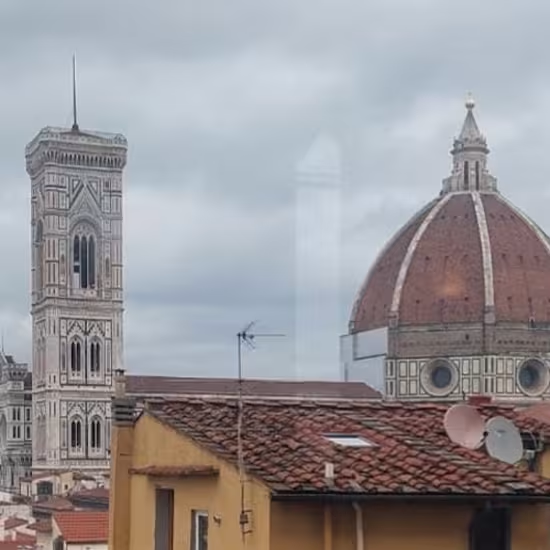
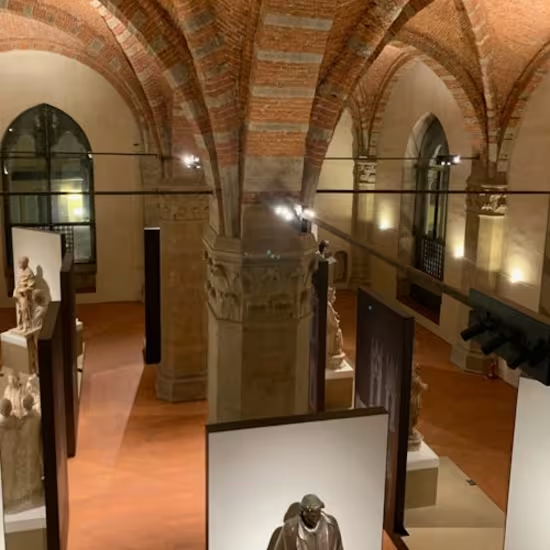
Welcome to Your Florence Experience at Orsanmichele
Discover the official hub for exploring tickets, highlights, and insider tips for Church & Museum of Orsanmichele — one of Florence’s most fascinating cultural gems where history, art, and civic pride meet in the heart of the city.
About Church & Museum of Orsanmichele
Why Visit Orsanmichele?
Timings of Church & Museum of Orsanmichele
Best Times to Visit the Church & Museum of Orsanmichele in Florence
Where to Find Church & Museum of Orsanmichele
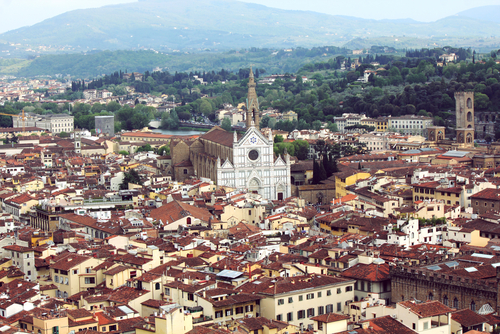
How to Get to Church & Museum of Orsanmichele
Things to Know Before Visiting the Church & Museum of Orsanmichele
- Facilities
- Accessibility
- Guidelines
- Rules
Onsite Facilities

Accessibility Information
Visitor Guidelines

Rules and Regulations

Interesting Facts About the Church & Museum of Orsanmichele in Florence
It Began as a Grain Market, Not a Church
Orsanmichele was originally built in the 14th century as a covered grain market for Florence, reflecting the city’s strong mercantile economy before it was transformed into a religious space.
Its Name Comes from an Ancient Garden Chapel
The name “Orsanmichele” derives from San Michele in Orto (St. Michael in the Garden), a small church that once stood on the site surrounded by orchards.
Florence’s Powerful Guilds Sponsored the Statues
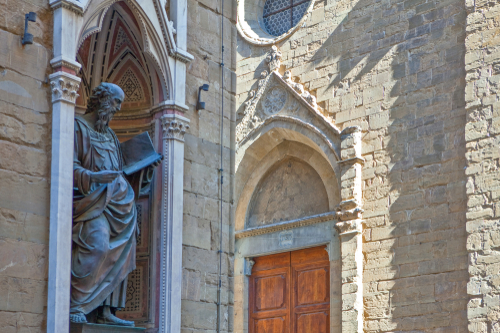
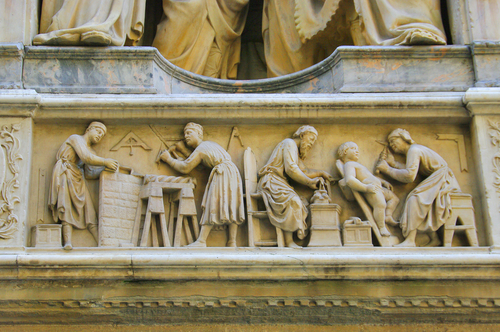
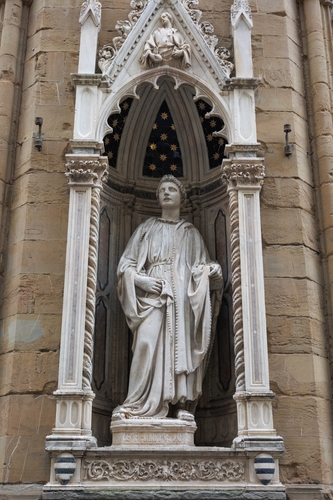
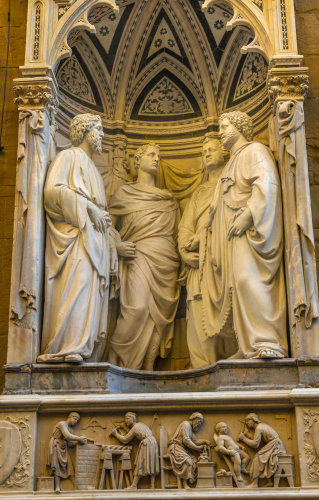
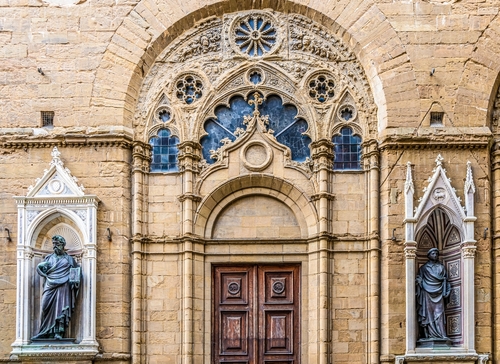
The famous exterior niches were commissioned by Florence’s major trade guilds, each sponsoring a statue of their patron saint as a public display of wealth, faith, and civic pride.
Some of the Greatest Renaissance Sculptors Worked Here
Artists such as Donatello, Lorenzo Ghiberti, and Andrea del Verrocchio created statues for Orsanmichele, making it a key site for Renaissance sculpture.
The Original Statues Are No Longer Outside
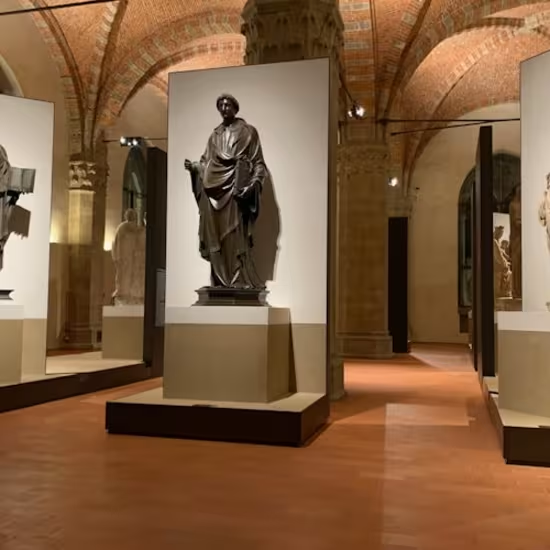
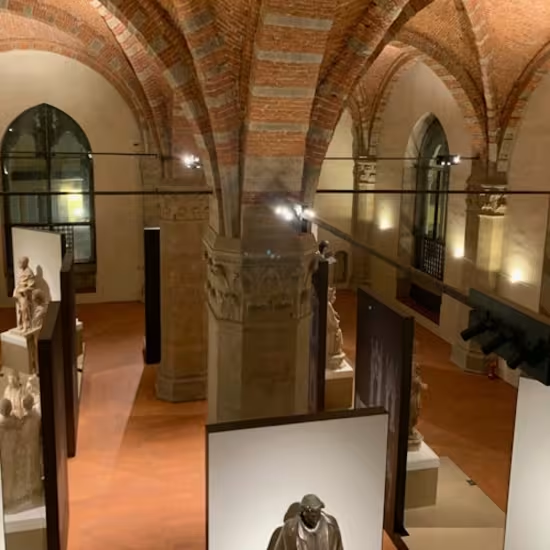
To protect them from weather damage, the original sculptures were moved indoors. What you see in the niches today are replicas, while the originals are preserved in the museum.
Donatello’s St. George Was Revolutionary
Donatello’s St. George statue introduced a bold, lifelike stance and psychological intensity that marked a major shift toward Renaissance realism.
The Interior Has Only One Altar
Unlike most churches, Orsanmichele features a single monumental altar, created by Andrea Orcagna, richly decorated with marble, reliefs, and precious materials.
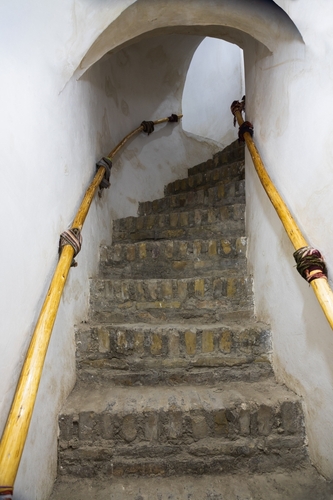
Upper Floors Once Stored Grain
The museum levels above the church were originally used to store grain reserves, ensuring food security for Florence during times of famine.
It Symbolized Protection Against Disaster
Florentines believed the sacred image of the Virgin housed inside Orsanmichele protected the city from famine, plague, and other disasters.
It Sits at the Crossroads of Civic and Religious Life
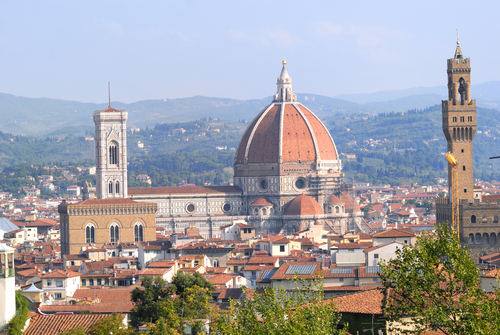
Orsanmichele perfectly represents Florence’s blend of commerce, religion, and art—standing between the Duomo and Palazzo Vecchio, both physically and symbolically.
Orsanmichele in Florence in Images
 English
  Italiano
  Español
  Français
  Deutsch
  Português